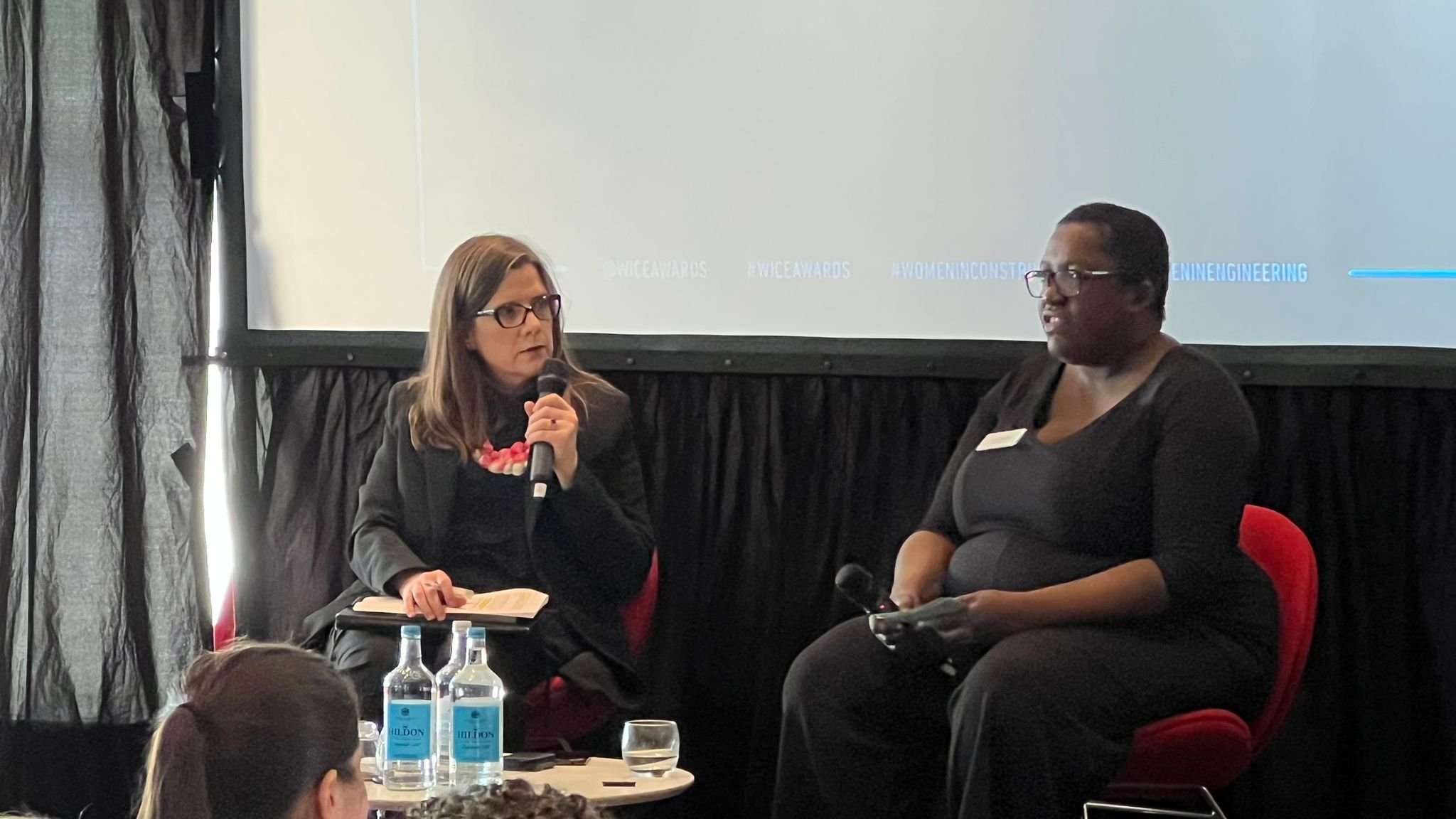
How to market a major construction project successfully
I, Ayo Abbas, as a senior marketing communications leader, was lucky enough to spend 3.5 years working with the senior management team at Mace Construction to lead the marketing efforts their work on the Birmingham New Street Station redevelopment project that opened its doors 11 years ago in 2015, and I also got to work on a number of public sector construction projects at various firms. This piece will give you some key tips to be in a position to market your project like a pro in just three months.
The challenges of marketing construction projects
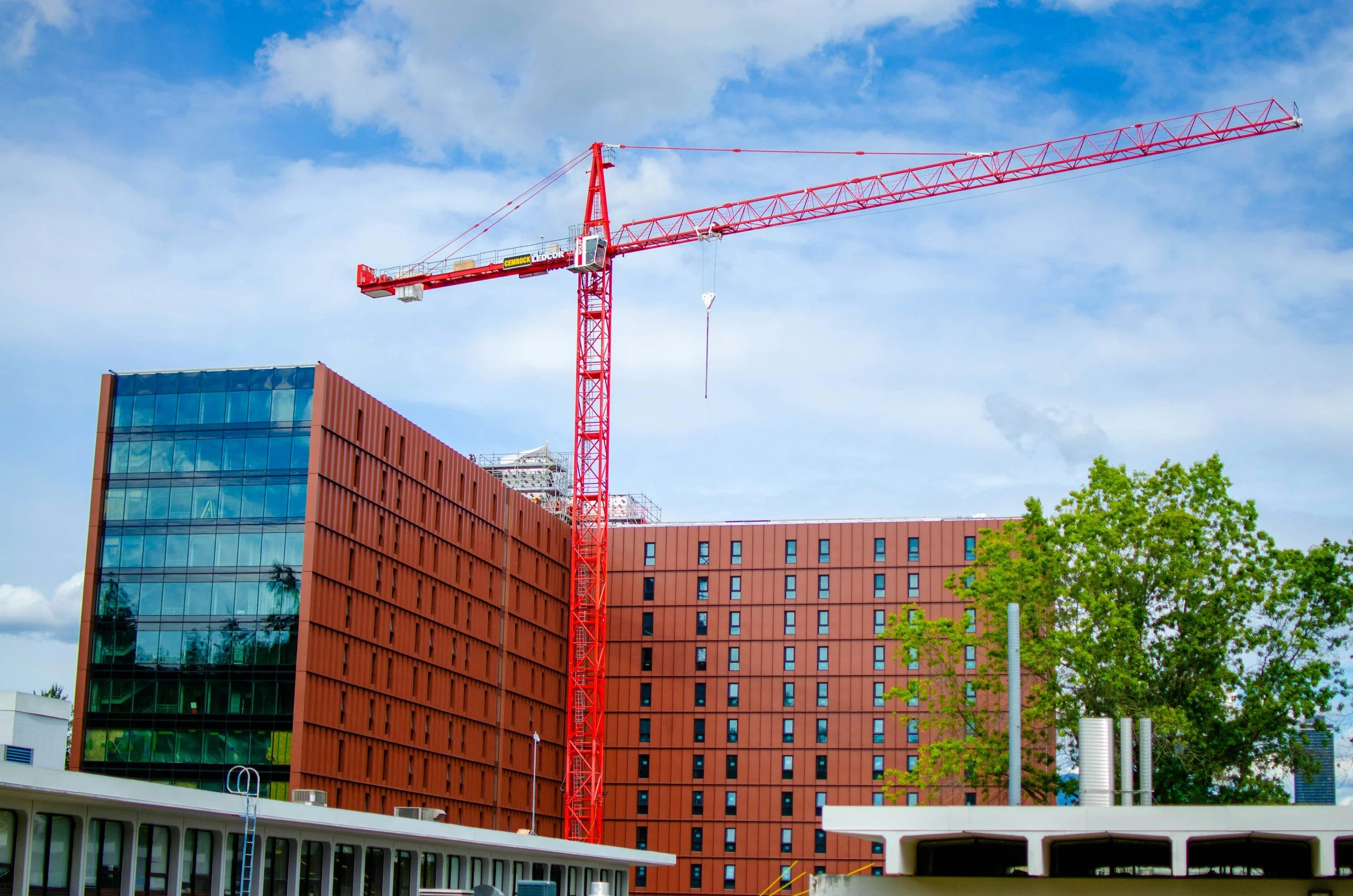
Construction projects can run for many, many years, are often complex, can be high profile and have numerous stakeholders and funders needs to meet. They can be exciting with a heady mix of technical and people stories and a raft of internal communications challenges to overcome.
Construction projects involve being on site, so differ from consultancy projects in many ways. Here are some of the areas that you should consider when it comes to marketing a construction project successfully to drive new business opportunities and growth.
How to market major construction projects
Make the most of free marketing opportunities on site
Site hoardings
If your client lets you make the most of site hoardings as a banner to prompt both the project and you as a contractor. There are many ingenious site hoardings when you walk around any city so make sure you take snaps of things you like so that you can implement them into your work at a later date.
Branded site PPE
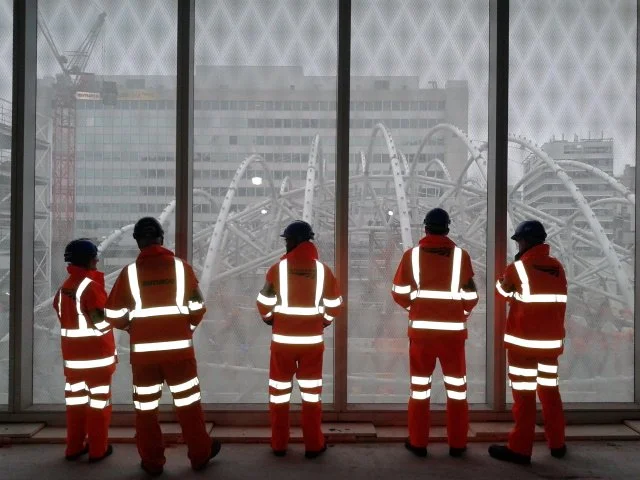
PPE is of course mandatory on site for health and safety purposes, so it is also worth thinking about how you can incorporate elements of your brand such your strap line or logo onto your PPE as another way to raise your construction company brand profile as part of your marketing.
Community newsletters and communications
These are a great way to get news about the project out to the masses. Make sure you keep them engaging and regularly updated.
Site visits / Open Days
Site tours are another way to get more interest in your project and work. Through industry bodies and associations could be a good way to get more people to see your work to develop potential relationships and business opportunities. Plus, initiatives such as Open Doors can be a good way to attract potential apprentices etc.
Create a construction project marketing plan
If you fail to plan, you plan to fail, so at Birmingham New Street we were very aware of what our end goal was and how the successful marketing strategy for the project would link to growth for other parts of the business. We knew the final longer term vision for where we wanted our overall business unit to be in 5 years time, including the major projects that we wanted to be in pole position to win.
We then set about drafting annual overall marketing plans for the project of where we were looking to get to each year, and then we would have a far more detailed plan of activity for the forthcoming quarter. This quarterly plan was developed with the project team and in line with their latest milestone schedule and signed off by the client. Then off we went to focus on delivering the marketing plan for that quarter.
Use stories and campaigns as your foundation
Building construction project marketing campaigns with a regular drumbeat of engaging content
At Birmingham New Street, we didn’t mention the project a few times and forget about it. We wanted to keep the project front of mind, especially important as it was a 7-year project in total. We developed a long term campaign with overall business related objectives, and we kept it on everyone’s radar regularly. This would mean that we could plan all activity in line with the latest challenges being faced on site. By doing this, we were able to create internal buy-in and also keep the project front of mind for both internal and external audiences.

We took a storytelling approach to a construction project
Variety is the spice of life, as the old saying goes. On a major project like Birmingham New Street Station there were loads of stories - from people stories such as apprentices, promotions or awards to innovation stories like the ‘mega muncher’ JCB excavator to technical powerhouse stories like the 200 tonnes load transfer which was the major crunch point for phase II.
We found them and shared them and shared the results, so it became a self-perpetuating circle where the impact of our work compounded. People proactively came to us with stories – we were a part of the team - which is the holy grail for marketers. Read more about storytelling through video in my recent article.
Find the right way to share engaging technical construction stories
I love technical construction storytelling. Turning a 14-page methodology statement into a one-page process based infographic, explaining how the load transfer worked or why we saved xx amount of time by tackling a problem in an innovative way. There are loads of stories out there – it’s just knowing how to spot them and harness them, and find the best format and way to them.
Use multiple tools to communicate your messages
Video, infographics, written word, the web, events, media, site visits, social media, thought leadership pieces, awards to internal communications. We had images taken every 6 weeks to document what was happening and to support our stories. We used a rich mix of marketing channels consistently over three years to really drive the key messages of the project home.
Work together with your key stakeholders, partners and the local community
We had to understand the pressures and objectives that our clients and partners were having at particular stages of the project. We had to put ourselves in their shoes and most importantly how we could help them to overcome them.
For example, for cost overruns and delays – what content / materials could we produce that would help them to tell the story of why things happened. By having events or activities around key milestones, we were able to talk about the challenges that we encountered along the way to reaching that milestone. This helped people to understand the enormity of what the project was trying to do.
Don’t be afraid to try new things
At Birmingham New Street we weren’t afraid of trying new novel ideas. From a flashmob in branded high vis for the launch, to having our very own artist in residence (shown to the left) to a rollercoaster based BIM flythrough model or taking a stance on the wider regeneration themes associated with a project of this size. We made sure that we tried new ideas to try and cut through the marketing noise.
We weren’t afraid to try something different. And yes, at times it did mean the project director would look at me as if I was having a laugh, but he trusted me too so would give things a go.
READ A FULL CASE STUDY ON THE MARKETING WORK I DID AT BIRMINGHAM NEW STREET HERE
What this means if your project is smaller
Ok ok, many people are redeveloping a live massive station. But almost everything above works at a fraction of the scale, because none of it depended on the budget.
The images every six weeks cost almost nothing, if you document it yourself and were the single most reused asset we had. A phone and a consistent vantage point gets you the same thing on a school extension or an office fit out.
The artist in residence and the flashmob were about finding a way in that wasn't a press release. On a smaller job that might be one apprentice's story, or a supplier doing something unusual, or the one technical problem the team solved that nobody outside the site would ever hear about otherwise. The principle is that there is always something more interesting than the programme update, and you just need to stop and look out for it and get creative.
Talking to neighbours early mattered because a construction site affects people who never chose to be affected by it. That's as true for a two-storey extension on a residential street as much as it is of a station. It costs a letter and a conversation - be human.
And the awards entries worked because we had been collecting the material as we went along when it was fresh in our minds rather than assembling it in a panic three weeks before a deadline. With New Street - this grew into a library of content to use that helped us win over 18 at last count. That habit is free and it is the one most firms skip.
Remember that the scale changes but the overall. thinking doesn't.
A completed project in many respects is a lost marketing opportunity – it’s easy to think that you should only shout about a project once it’s complete. You want to wait to show the finished article in its pristine condition in knockout photography. But if you wait until then, you’re missing out on a major marketing opportunity to take people on the development journey with you. Sharing what you did, why you did it, and showing what it’s like to work with you are marketing content dynamite.
Find out more about Abbas Marketing’s construction marketing services
Related blogs
AI in construction: what happens if we lose the knowledge and can it replace it?
Why construction firms struggle with marketing (and three things that will fix it)
7 proven ways your construction website will attract more clients in 2026