Three things stopping architects winning the work they really want
Most architecture practices I work with are good at what they do. Often very good. The challenge isn't capability, it's clarity. Clarity about who they're talking to, what they're saying and why a client should choose them over someone else.
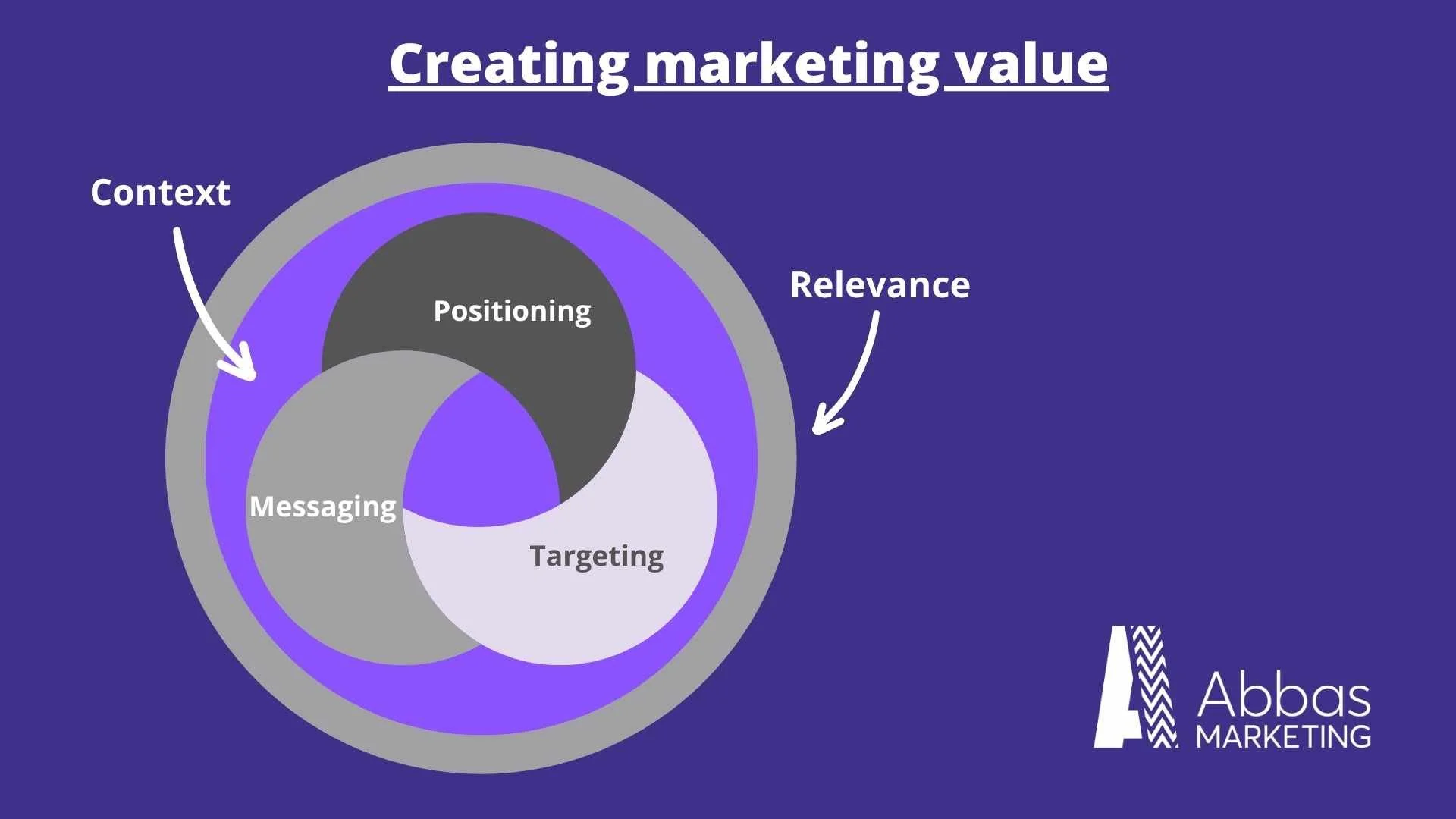
In over 24 years of marketing architecture practices of all sizes, I keep coming back to three things that make the biggest difference: messaging, targeting and positioning. Get these right and your marketing becomes significantly easier. Get them wrong or let them drift out of alignment and even the best marketing tactics will underdeliver.
Here's how I think about each one and how they apply specifically to architecture.
Messaging: the gap between what you say and what clients hear
Your messaging is about what you say, how you say it and why it should matter to the person reading or hearing it.
The issue for most architecture practices is that messaging tends to be written from the inside out. You describe your services, your process, your values. All useful, but not necessarily what a client is thinking about when they're deciding who to appoint.
A developer looking for an architect for a residential scheme is thinking about planning risk, programme certainty and whether you understand what they're trying to achieve commercially. A local authority commissioning a community building is thinking about consultation, social value and whether you've done anything like this before. The same practice, talking to two very different people, needs two very different messages.
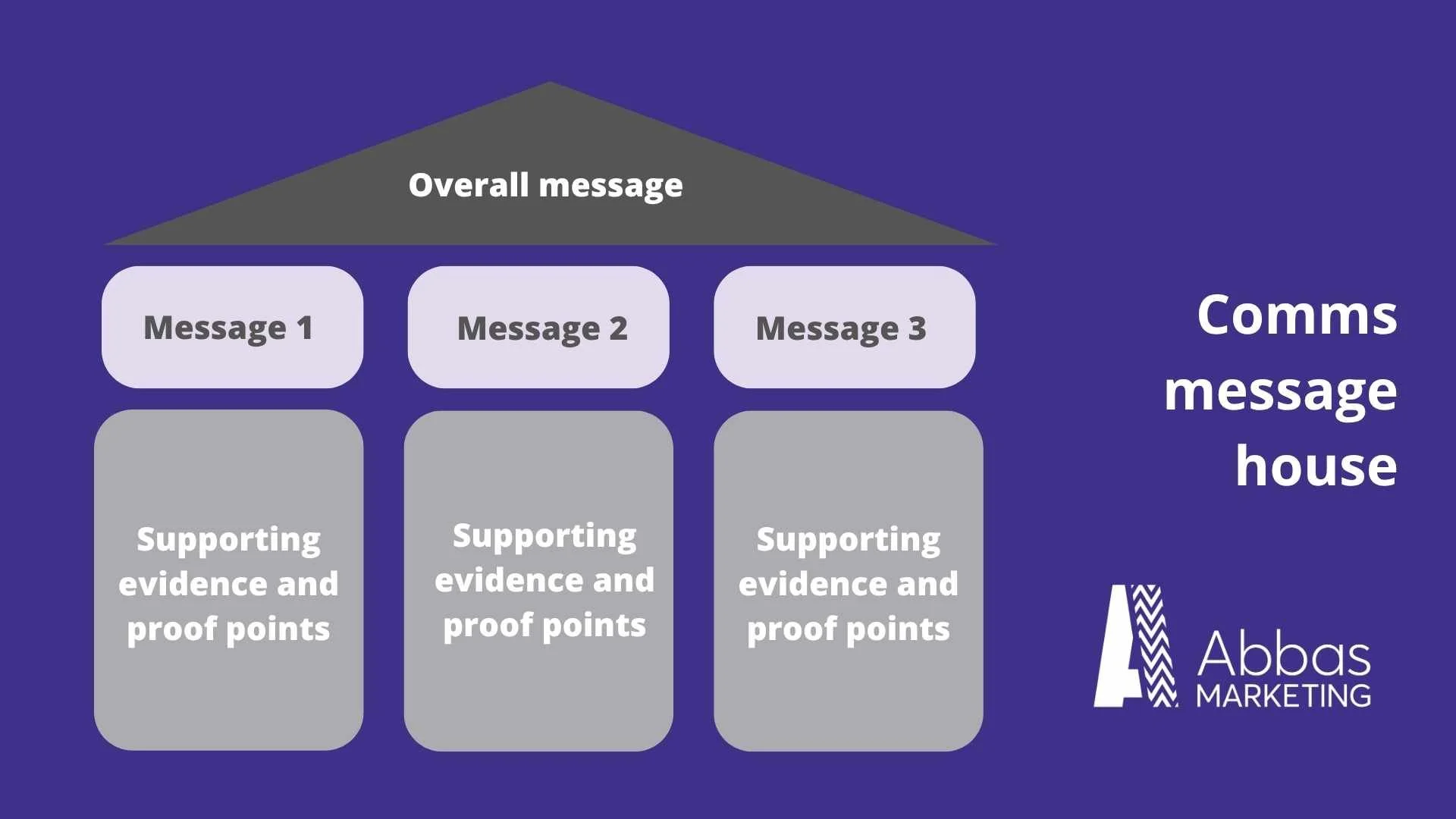
I use a message house to help practices structure this. A single overarching statement at the top, three supporting pillars underneath, and then the proof points and evidence that back it all up. It creates consistency without rigidity and gives everyone in the practice a shared framework for how they talk about what they do.
Targeting: knowing exactly who you're trying to reach
Targeting sounds obvious but it's where a lot of practices are vague. "We work with developers, local authorities and private clients" covers a huge range of people with very different needs, budgets and decision-making processes.
The more specific you can get, the more effective your marketing will be. What size of developer? What kind of projects? Who specifically makes the decision to appoint an architect, and who influences that decision? In many cases it's not just one person. A developer's project director might make the final call but an in-house project manager or a trusted consultant might have shaped the longlist long before that.
Job titles are a useful way to get specific. They force you to think about real people in real organisations rather than abstract audience categories. And once you know who you're talking to, you can think clearly about where they spend their time, what they read, what events they attend and how you get in front of them.
Positioning: finding the space that's yours
Positioning is about where you sit relative to other practices and what makes you the obvious choice for the clients you want.
This requires a degree of honesty that can feel uncomfortable. What are comparable practices doing well? Where are they falling short? And where is there genuinely open space that you could own?
For architecture practices this is particularly important because the market is competitive and clients often struggle to differentiate between firms on paper. Everyone has a good portfolio, good people and a commitment to design quality. Positioning is about finding what's genuinely different about how you work, who you work best with and the outcomes you deliver, and making that visible before a client even picks up the phone.
The two layers that tie it all together
Sitting around messaging, targeting and positioning are two wider forces: context and relevance.
Context means paying attention to what's happening in the market. Planning policy changes, the second staircase regulations, shifts in where development funding is going, the agenda at events like MIPIM or UKREiiF. Your messaging should reflect the world your clients are operating in, not exist in a vacuum.
Relevance means making sure your marketing tactics actually suit how architecture clients behave. Long sales cycles, relationship-led decisions, peer reputation that travels through a relatively small industry. The marketing that works here is consistent, credible and built for the long game.
A framework you can use
This is the message house template I use to help structure your messaging.
Both were developed as part of my Built Environment Marketing Show podcast episode on this topic, which you can listen to here.
If you want to talk through how this applies to your architecture business specifically, get in touch or book a call.

Thanks for reading
If you want to get clear on what's actually working in your marketing and what's just noise, that's exactly what I do. I work with AEC Directors and marketing leads to deliver strategic marketing that helps you compete. Email ayo@abbasmarketing.com