Why construction firms struggle with marketing (and three things that will fix it)
If you work in construction and marketing feels harder than it should, there's a good chance the problem isn't your budget, your team or even your strategy. It's that your messaging, targeting and positioning aren't working together properly. Fix those three things and everything else gets easier.
I've been working with construction businesses for over 24 years and these three areas come up time and again, whether I'm working with a main contractor trying to break into a new market or a specialist subcontractor looking to win better quality work. They're the foundation that everything else sits on.
So let me break down what each one means and why getting them right matters in construction specifically.
Messaging: what you say and how you say it
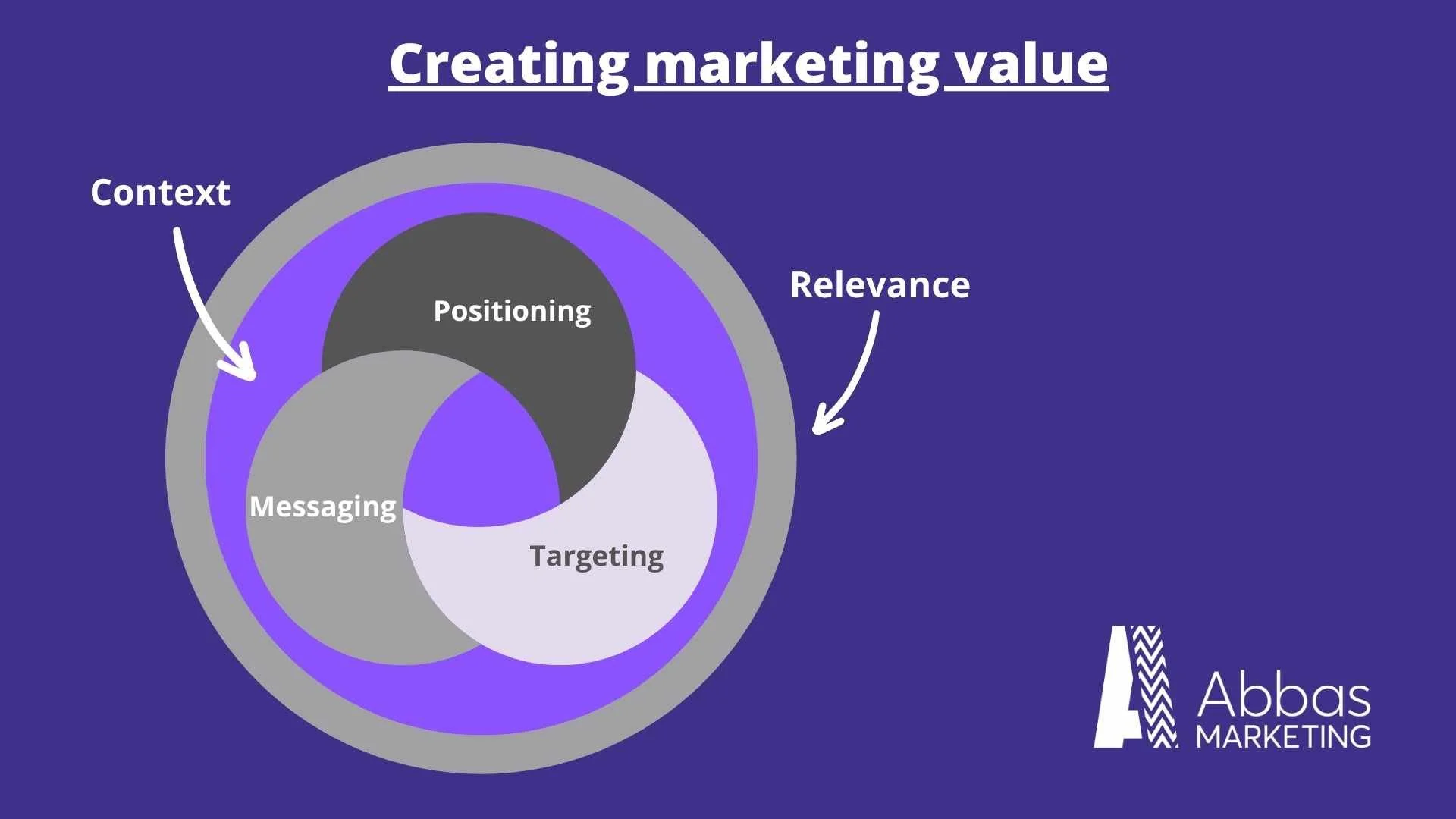
Messaging is about finding the reasons why. Why you, why now, and why should a client choose you over the firm they used last time.
The problem in construction is that most firms describe themselves in almost identical terms. Quality, safety, experience, relationships. All true, probably. But none of it helps a client understand why you're the right choice for their specific project.
Good messaging starts with a simple but often uncomfortable question: how would your clients describe what you do, in their own words? Not your words. Not your website copy. Theirs. Nine times out of ten there's a gap, and that gap is where your marketing is losing you work.
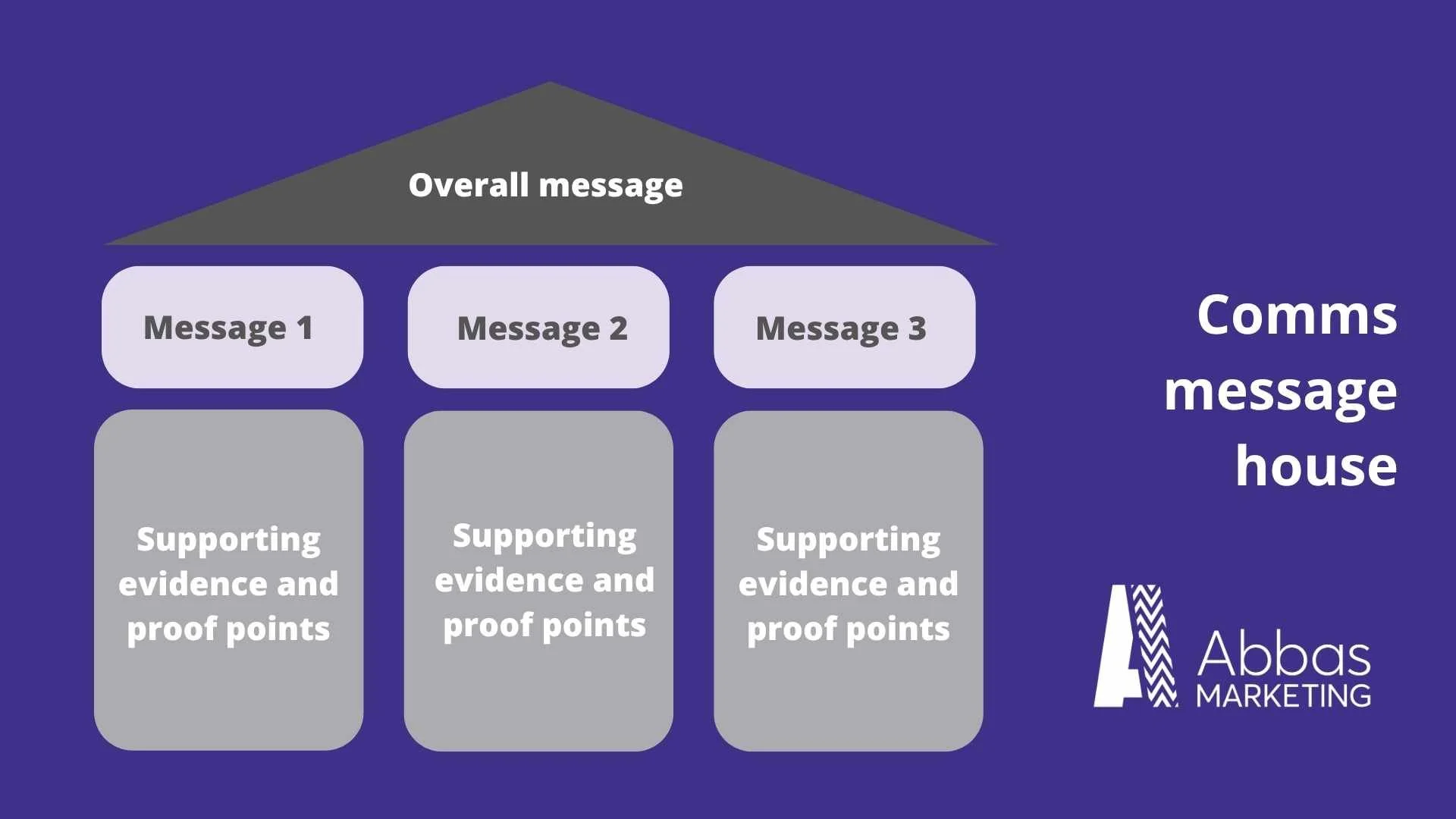
Once you have clarity on your messaging I'd recommend putting it into a message house. The roof is your main overarching statement. Underneath sit three core pillars that support it. And below those are your proof points, the evidence and case studies that back everything up. It gives your whole team a consistent framework to communicate from, which matters in construction where you might have directors, project managers and business development people all talking to clients in different ways.
Targeting: who you're actually talking to
Targeting is about understanding who your ideal clients are, what they're dealing with right now and how your firm helps them solve it.
In construction this means getting specific. Who are the decision makers on the projects you want to win? Is it a developer's project director, a facilities manager, an estates team, an architect recommending you to their client? Each of those people has different pressures, different priorities and different things that keep them up at night.
Job titles are a useful starting point. They help you build a realistic picture of the organisations you're targeting and the people within them who actually influence contractor appointments. Once you know that, you can shape your content, your events strategy and your business development activity around reaching those specific people rather than broadcasting to everyone and hoping for the best.
Positioning: where you sit in the market
Positioning is about understanding where you sit relative to your competitors and finding the space where you can genuinely own ground.
This requires being honest with yourself. What are your competitors doing well? Where are they falling short? And critically, why would a client choose you over them? Not why you think they should. Why they actually do.
In construction this is particularly important because the market is crowded and clients are risk averse. They default to firms they know unless someone gives them a compelling reason to look elsewhere. Your positioning is that reason.
Context and relevance: the two things most firms miss
Beyond messaging, targeting and positioning sit two wider forces that shape whether your marketing actually lands: context and relevance.
Context means understanding what's happening in the market right now. New legislation, planning changes, government infrastructure priorities, economic conditions. All of these affect what clients are focused on and what they need from a contractor. Your marketing should reflect that.
Relevance means making sure the tactics you're using actually suit construction. Not every piece of advice from a generic marketing guru applies here. Construction is a relationship-led, long-cycle sector. The marketing that works is the kind that builds trust and keeps you visible with the right people over time, not the kind that chases vanity metrics.
Where to start
If you're not sure where your messaging, targeting or positioning is letting you down, start by asking your best clients why they chose you. The answers are usually more illuminating than any internal workshop.
I put together a Venn diagram that shows how these three areas overlap and interact, with value sitting at the centre. You can download it below.
This is the message house template I use to help structure your messaging.
Both were developed as part of my Built Environment Marketing Show podcast episode on this topic, which you can listen to here.
If you want to talk through how this applies to your construction business specifically, get in touch or book a call and read more on my construction marketing services.
Related construction articles
What actually gets a construction website converting
Why the standard marketing funnel doesn't work for this sector

Thanks for reading
If you want to get clear on what's actually working in your marketing and what's just noise, that's exactly what I do. I work with AEC Directors and marketing leads to deliver strategic marketing that helps you compete. Email ayo@abbasmarketing.com